
Every homeowner wants their property to grow in value over time, but not every renovation or purchase delivers a real return. Knowing which upgrades actually pay off can save you thousands of dollars and years of second-guessing. This guide breaks down the smartest, most strategic purchases you can make to boost your home’s worth, protect your investment, and keep your property in top condition. Whether you are preparing to sell or simply want to enjoy a more valuable home, these tips will help you spend wisely.
Boosting Curb Appeal With Purposeful Outdoor Upgrades

First impressions matter enormously when it comes to home value, and the exterior of your property is the first thing anyone notices. Simple, well-planned outdoor improvements often deliver a surprisingly high return compared to their cost—industry studies frequently cite landscaping upgrades as recouping 100% or more of their investment at resale. Visiting local garden centers to select hardy, climate-appropriate plants can transform a bland yard into an inviting space without breaking the budget.
Thoughtful landscaping choices, like defined walkways, layered plantings, and seasonal color, signal to buyers and neighbors alike that the home has been cared for. Consider mixing evergreens for year-round structure with flowering perennials that bloom in succession, so the yard never looks stagnant. A crisp paver or stone walkway leading to the front door, paired with low-voltage lighting, adds both function and polish after dark.
Beyond plantings, small details make a measurable difference: fresh mulch, edged garden beds, and a well-maintained lawn all read as pride of ownership. Staff at garden centers can also advise on native species that require less water and maintenance, which appeals to cost-conscious buyers. Even modest additions, like window boxes or potted plants flanking the entryway, can make a home feel considerably more polished for a relatively small investment.
It helps to think of your yard as an extension of your living space rather than an afterthought. Adding fresh mulch beds, trimming overgrown shrubs, and incorporating native perennials from a garden center can all be done gradually and affordably, often for under $200 per season. These small investments compound over time, making the property look established and well-maintained.
Consider tackling one zone at a time: the front entry walkway, the foundation beds, and the side yard sightlines visitors notice first. Swapping thirsty annuals for drought-tolerant natives like coneflowers or ornamental grasses cuts watering costs while giving beds a fuller look within a single growing season.
Simple finishing touches matter too. A layer of dark hardwood mulch, edged borders, and a couple of well-placed potted shrubs near the door can visually reset a tired exterior for a fraction of a full landscaping overhaul.
- Choose drought-resistant plants like lavender or succulents to cut long-term watering costs and landscaping maintenance
- Add solar or low-voltage outdoor lighting to highlight landscaping features and walkways after dark
- Refresh mulch annually, choosing a rich brown or black hue for a clean, finished look
- Frame the entryway with matching potted plants or small topiaries for instant, symmetrical appeal
- Edge garden beds and walkways cleanly to give landscaping a crisp, well-maintained appearance
Keeping Your Lawn Looking Its Best Year-Round

A lush, healthy lawn is one of the most noticeable features of any property, and it plays a big role in perceived home value. Many homeowners find that hiring a local lawn care company saves time while ensuring the grass gets consistent, professional attention throughout the growing season. Regular mowing, fertilization, and weed control prevent the kind of neglect that can quickly make a yard look tired and unkempt. A well-maintained lawn also protects the soil and root systems underneath, which supports long-term landscaping health.
- Schedule seasonal fertilization to match your grass type
- Aerate the lawn annually to improve water absorption
- Address bare patches quickly before weeds take over
- Keep an eye on drainage issues that can damage grass over time
Protecting Your Investment From the Top Down
The roof is one of the most critical components of a home, both structurally and financially. A damaged or aging roof can scare off potential buyers and lead to costly interior damage if left unaddressed. Working with reputable roofing companies for regular inspections helps catch small issues, like loose shingles or minor leaks, before they turn into major repairs. A well-maintained roof not only protects the home but also serves as a strong selling point when it comes time to list the property.
Timing matters too. Replacing a roof before it fails completely is far less stressful and often less expensive than emergency repairs after storm damage. Ask for a written estimate and a clear timeline so you know exactly what to expect during the project.
- Schedule roof inspections at least once a year
- Look for granule loss or curling shingles as early warning signs
- Keep gutters clear to prevent water backup under the roofline
- Request warranty details before committing to major repairs
Maintaining Comfort With a Reliable Climate System

A home’s heating and cooling system directly affects comfort, energy bills, and resale value. Efficient ac installations can lower monthly utility costs by using modern energy ratings, often cutting cooling expenses by 20 percent or more compared to units older than fifteen years. A new system also gives buyers confidence that they won’t face a major expense soon after moving in, which can be a deciding factor during negotiations.
On the heating side, staying on top of furnace repairs before winter arrives prevents small issues, like a worn belt or a clogged filter, from becoming emergency situations during the coldest months. Scheduling an annual inspection in early fall is a simple way to catch problems while parts and labor are still readily available. Homeowners who wait until the first cold snap often pay premium rates for rush service.
Buyers and appraisers alike tend to view a newer or well-maintained HVAC system as a strong indicator of overall home care. Keeping maintenance records and warranty documents on hand can further reassure buyers that the system has been properly serviced. Even modest upgrades, such as a programmable thermostat or improved ductwork sealing, can add to that impression of a well-cared-for property.
It is also worth noting that energy-efficient systems often qualify for rebates or tax incentives, which can offset upfront costs. For example, the federal Energy Efficient Home Improvement Credit can cover up to 30% of the cost of a qualifying heat pump or furnace, up to $2,000, while many utility companies offer additional rebates of $200 to $500 for ENERGY STAR-certified units.
Keeping maintenance records for your heating and cooling equipment gives future buyers peace of mind and can even speed up the selling process. A simple folder or digital file with receipts for annual tune-ups, filter changes, and any repairs shows that the system has been well cared for and is less likely to fail soon after purchase.
This kind of documentation can also serve as a selling point during negotiations, since buyers often view a well-maintained HVAC system as one less expense to worry about. In some cases, a transferable warranty on newer equipment can add extra reassurance and value to the deal.
- Replace air filters every one to three months, or monthly if you have pets or allergy sufferers in the home
- Schedule seasonal tune-ups before extreme weather hits, ideally in spring for AC and fall for heating systems
- Track the age of your system to plan for eventual replacement, since most units last 10-15 years before efficiency drops
- Consider a programmable or smart thermostat to improve efficiency and potentially lower monthly utility bills
- Keep outdoor units clear of debris, leaves, and overgrown landscaping to maintain proper airflow
- Have ductwork inspected periodically for leaks, which can quietly waste energy and strain your system
Updating the Heart of the Home
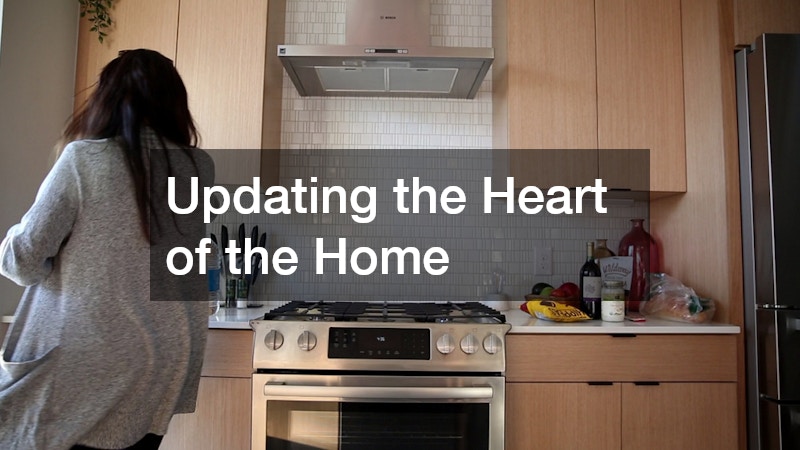
The kitchen consistently ranks among the top rooms buyers care about most, making it a smart place to focus renovation dollars. Replacing worn or outdated kitchen cabinets can dramatically change the look and function of the space without requiring a full remodel. Choosing durable materials and timeless designs ensures the update remains appealing for years rather than looking trendy and dated within a few seasons. Even refacing existing cabinetry can offer a fresh look at a fraction of the cost of full replacement.
- Opt for neutral finishes that appeal to a broad range of buyers
- Add soft-close hinges and drawers for a modern touch
- Maximize storage with pull-out shelves and organizers
- Match hardware finishes to other kitchen fixtures for cohesion
Preventing Costly Damage From Unwanted Pests
Pest issues can silently erode a home’s value long before they become visible problems. Termites alone cause an estimated $5 billion in property damage across the U.S. each year, and homeowners insurance typically won’t cover the repairs. Rodents, carpenter ants, and termites can chew through structural wood, insulation, and wiring, leading to expensive fixes down the road and even electrical or fire hazards if left unchecked.
Scheduling regular visits from pest control services helps catch infestations early and keeps small problems from spiraling into major structural concerns. Most experts recommend an annual inspection at minimum, with more frequent checks for homes in humid climates or areas with a history of termite activity.
This kind of preventive care is especially important in older homes, properties near wooded areas, or houses with crawl spaces and wood siding, where pests are more common. Simple habits—like keeping firewood away from the foundation, sealing cracks, and managing moisture around the home—can further reduce risk between professional visits.
- Schedule professional pest inspections at least once a year, or twice annually in termite-prone or humid regions
- Seal cracks and gaps around the foundation, utility lines, and window frames with caulk or steel wool to block entry points
- Keep firewood, mulch, and dense vegetation at least 12-18 inches away from exterior walls to remove hiding spots
- Address moisture issues promptly by fixing leaky pipes, clearing gutters, and ensuring proper yard drainage, since damp areas attract termites and roaches
- Store food in airtight containers and take out trash regularly to avoid attracting rodents and ants
- Trim tree branches away from the roofline, as overhanging limbs can give pests direct access to the attic
Keeping Household Appliances Running Smoothly
Appliances play a bigger role in home value than many people realize, especially in kitchens and laundry rooms where buyers pay close attention. Rather than replacing a malfunctioning refrigerator or washing machine right away, calling for appliance repair can often extend the life of the unit at a much lower cost. Well-maintained appliances also reduce energy waste, which appeals to cost-conscious buyers and lowers utility bills in the meantime. Keeping appliances in good working order shows that the home has been consistently cared for.
It is also worth keeping manuals and service records organized, since this documentation can reassure future buyers about the condition of major systems. A little routine maintenance, like cleaning refrigerator coils or checking dishwasher seals, goes a long way toward preventing bigger breakdowns.
- Clean dryer vents regularly to prevent fire hazards
- Check appliance seals and hoses for wear or leaks
- Keep filters clean in dishwashers and range hoods
- Address strange noises or smells before they become bigger issues
Planning Ahead When Relocating or Downsizing
Strategic home value decisions often come into play when homeowners are preparing to move, whether upsizing, downsizing, or relocating for work. Coordinating with local moving companies early in the process allows homeowners to plan renovations or repairs around a realistic timeline. This is especially useful when staging a home for sale, since decluttering and moving out excess furniture can make improvements like new cabinetry or fresh landscaping stand out even more. Thinking through logistics ahead of time reduces stress and helps ensure repairs are completed before showings begin.
- Book movers several weeks in advance during peak season
- Ask about storage options if renovations overlap with moving dates
- Get multiple quotes to compare services and pricing
- Confirm insurance coverage for valuable or fragile items
Prioritizing Improvements Based on Return and Need
Not every upgrade deserves the same amount of attention or budget, so it helps to prioritize based on both necessity and potential return. Structural issues, like roofing or HVAC problems, should generally take precedence over cosmetic updates since they protect the home from further damage. Once major systems are secure, cosmetic improvements like kitchen updates or landscaping can build on that solid foundation. Creating a simple checklist of needs versus wants helps homeowners avoid overspending on upgrades that won’t meaningfully affect value.
- Address safety and structural issues first
- Focus next on high-visibility spaces like kitchens and entryways
- Save purely cosmetic upgrades for when the budget allows
- Reassess priorities annually as the home ages
Building lasting home value comes down to consistent care, smart timing, and knowing where your money will make the biggest difference. From roofing and climate systems to landscaping and kitchen updates, every improvement contributes to a home that feels well cared for and holds strong appeal. Start by assessing your home’s most pressing needs, then work through smaller upgrades as time and budget allow. With a clear plan in place, you can steadily increase your home’s value while enjoying a safer, more comfortable living space along the way.