Shopping for a ring is exciting, but it often comes with an unexpected dilemma: should you buy something already made, or build one from scratch? The price tags on each option can look deceptively similar at first glance, yet the long-term value, fit, and satisfaction they deliver can be worlds apart. Understanding how each pricing structure works will help you avoid overpaying for something that doesn’t quite match what you wanted. This breakdown walks through the real cost factors so you can make a confident, budget-smart choice.
Understanding How Pre-Set Ring Pricing Works
Pre-set rings are mass-produced in standard sizes, settings, and carat weights, which allows retailers to buy materials in bulk and pass some of that savings on to shoppers. Because these rings already exist in inventory, you can see the exact finished product before paying, which removes a lot of guesswork. The tradeoff is that you’re often paying for a design that was created for broad appeal rather than your specific taste or budget priorities. Many buyers find that pre-set options work well when they want something quickly and don’t have strong preferences about stone shape or band details.
That said, pre-set pricing can include hidden markups tied to brand name or retail overhead rather than the actual materials. A ring sitting in a display case has to cover the cost of showroom space, marketing, and staff commissions, all of which get baked into the final number. It’s worth comparing a few retailers side by side to see how much of the price is tied to the diamond and metal versus the business expenses surrounding it.
Breaking Down the True Cost of Building Your Own
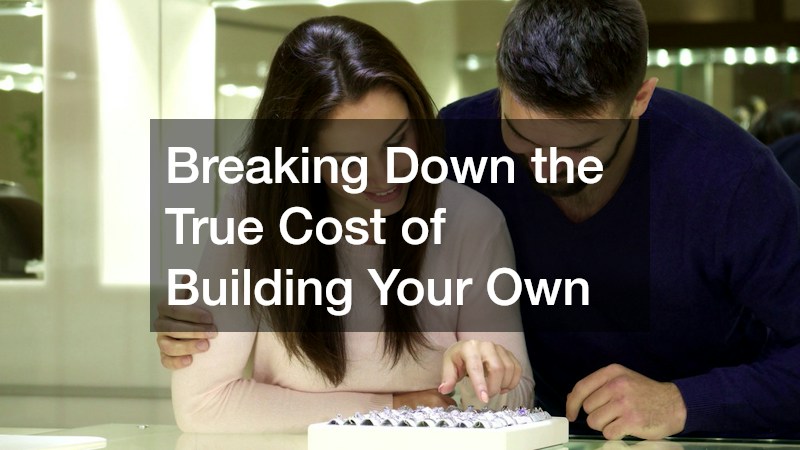
When you choose to design a ring from the ground up, you typically pay for each component separately: the center stone, the band metal, and the labor to assemble them. This transparency means you can see exactly where your money is going, which often reveals opportunities to save. A typical cost breakdown might look like 60-70% toward the center stone, 15-20% toward the metal band, and the remainder covering setting style and labor. For example, choosing a slightly smaller carat weight — say, dropping from 1.5 to 1.2 carats — or opting for an alternative gemstone like moissanite or a lab-grown diamond instead of a mined one can shave hundreds or even thousands off the final price without sacrificing the overall look you want. Switching from platinum to 14k white gold is another easy adjustment, since platinum typically costs 40-50% more per gram. Many jewelers who specialize in custom engagement rings also offer flexible payment structures, letting buyers prioritize spending on the stone while scaling back on secondary details like pave accents, halo settings, or intricate filigree work. Some even allow phased purchasing, where you buy the setting first and upgrade the center stone later as your budget allows. It’s also worth asking about sourcing: a jeweler who cuts out middlemen by working directly with stone suppliers can often pass those savings on to you, sometimes reducing costs by 10-15% compared to buying through a traditional retail chain.
Building your own also means you’re not paying for inventory someone else chose to stock. Pre-set rings carry overhead for showroom space, insurance, and the designs that didn’t sell fast enough — costs that get baked into the price tag whether you realize it or not. With custom, you skip that markup entirely and pay closer to the actual cost of materials and labor. You also gain room to negotiate on labor and materials since you’re ordering to spec rather than buying off the shelf. A jeweler quoting a custom build will often break down costs separately: metal weight, stone sourcing, and bench time for setting and polishing. That transparency gives you leverage to adjust — swapping a 1-carat side stone for a 0.75-carat one, or choosing 14k gold over platinum, can shift the final price by hundreds of dollars without changing the overall design. This approach tends to reward buyers who do their homework before sitting down with a jeweler. Knowing current gold spot prices, understanding the four Cs of diamond grading, and getting a few comparison quotes can mean the difference between a fair price and an inflated one. Buyers who walk in uninformed often end up paying custom prices for what amounts to a pre-set markup in disguise.
Comparing Quality Control Between Both Options
One overlooked cost factor is how much control you have over quality once the purchase is made. With a pre-set ring, you’re trusting that the retailer selected well-matched stones and solid craftsmanship before you ever saw the piece. With a built ring, you typically review grading reports and certifications for each stone before it’s set, giving you a clearer picture of exactly what you’re paying for.
This matters financially because quality issues discovered after purchase can be expensive to fix. A poorly matched stone or weak prong setting might not show up until months later, leading to repair costs that erase any upfront savings. Reviewing documentation before the piece is finalized helps you avoid paying twice for the same ring.
Weighing Resale and Long-Term Value
Resale value rarely gets discussed during the initial purchase, but it plays a real role in determining which option actually saves you more money over time. Rings built with higher quality materials and documented certifications tend to hold their value better than mass-produced pieces with vague sourcing information. Buyers planning to upgrade a stone later, or who want the option to resell down the road, should factor this into their decision rather than focusing only on the sticker price.
- Certified stones typically retain more resale value than uncertified ones
- Unique designs can be harder to resell than classic, widely recognized styles
- Metal type affects resale value, with platinum generally holding value longer than gold-plated alternatives
- Keeping original paperwork and receipts increases resale credibility
Factoring In Timeline and Convenience Costs
Price isn’t only measured in dollars; time and convenience carry their own value, especially when working against a deadline like an anniversary or proposal date. Pre-set rings win here because they’re ready to purchase and wear immediately, with no waiting period for design approval or stone setting. If you’re on a tight schedule, that convenience might be worth paying a slightly higher markup.
On the other hand, rushing into a decision to save time can lead to settling for a ring that doesn’t match what you actually wanted, which sometimes results in costly resizing, stone swaps, or a full redesign later. Planning ahead by a few weeks or months often gives buyers enough runway to build something custom without paying rush fees, making the convenience gap between both options smaller than it first appears.
Both pre-set and built rings can be the smarter financial choice depending on your timeline, priorities, and how much control you want over the final design. Take time to compare real cost breakdowns from a few jewelers before deciding, rather than relying on sticker price alone. If getting a piece that matches your exact vision and budget matters most, start gathering quotes and grading reports now so you can compare apples to apples. The right choice is the one that aligns with both your financial comfort and the ring you’ll be happy wearing for years to come.