Weddings, milestone birthdays, anniversaries, and graduations are supposed to be joyful, but the price tags attached to them often creep far beyond the initial budget. Between venue deposits, beauty appointments, food orders, and last-minute jewelry fixes, small expenses stack up quickly and quietly. If you are planning a major celebration this year, knowing where the hidden costs typically hide can save you hundreds or even thousands of dollars. This guide breaks down the often-overlooked expenses tied to big life events so you can plan with your eyes open.

Selecting a Ceremony Location That Fits Your Budget
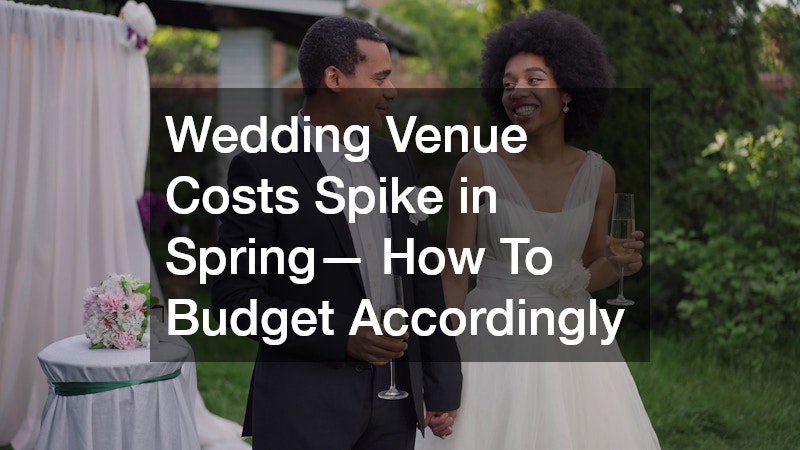
Choosing where to host a wedding ceremony is one of the biggest financial decisions in the entire event, and costs vary wildly depending on season, location, and included amenities. A Saturday in June at a popular vineyard can run three or four times the price of the same space on a Friday in February, so flexibility on timing alone can free up thousands of dollars for other priorities. Many couples underestimate extra fees like overtime charges, cleanup deposits, or required liability insurance that get added on top of the base rental price.
Venues often charge $150 to $500 per hour for going even slightly past your contracted window, and cleanup or damage deposits of $500 to $1,500 are common, refundable only if the space is left in perfect condition. Some locations also require you to purchase event insurance, typically $75 to $200 for a basic policy, and mandate that you use their preferred (and pricier) vendors for catering or bar service. Outdoor and public venues carry their own hidden line items worth asking about upfront: permit fees for parks or beaches, generator rentals if there’s no on-site power, and backup tent costs in case of rain.
A “free” municipal park ceremony can end up costing more than a private venue once permits, portable restrooms, and weather contingencies are factored in. Before signing anything, ask for an itemized quote so you understand exactly what is included and what will cost extra. Request a full breakdown of setup and breakdown time, guest capacity limits, and what happens if your event runs long, and get every verbal promise from the sales tour confirmed in writing before you commit.
Touring multiple wedding venues before committing is one of the smartest ways to avoid budget surprises later. Some locations bundle chairs, tables, linens, and lighting into the rental fee, while others charge separately for every item, which can dramatically change the final number. When comparing venues, ask for an itemized quote rather than just a headline price.
A ballroom quoting $5,000 might seem pricier than a barn venue at $3,000, but if the barn requires you to rent tables, chairs, a dance floor, generators, and portable restrooms on top of that base fee, the true cost could easily surpass the ballroom’s all-inclusive rate. Pay attention to hidden logistical fees too, such as overtime charges if your reception runs late, mandatory security staff, cleanup deposits, or corkage fees for outside alcohol.
Some venues also require you to use their preferred vendor list, which can limit your ability to shop around for better catering or rental prices. Finally, consider the season and day of the week. Booking a Friday or Sunday date, or choosing an off-peak month, can shave hundreds or even thousands off the venue rental fee compared to a peak Saturday in June.
- Ask whether setup and teardown time is included in the rental window, or if you’re billed hourly for those extra hours
- Confirm what happens if your event runs late, including overtime fees, which can range from $100 to $500+ per hour
- Check for restrictions on outside vendors or catering, since many venues require you to use their in-house or preferred caterers only
- Ask about weather contingency plans and any related fees, especially for outdoor ceremonies that may need a tent or indoor backup space
- Get a written cancellation and refund policy, noting deadlines for deposit returns and any non-refundable fees
- Clarify whether insurance is required, as some venues mandate event liability coverage that adds to your total cost
Booking the Right Space for Your Reception
The reception is typically where families and friends spend the most hours celebrating, so the space needs to comfortably handle dancing, dining, and mingling. Many wedding reception venues offer tiered pricing based on guest count, so it pays to finalize your list early rather than paying for unused capacity. Hidden costs here often include corkage fees, mandatory security staff, or charges for using your own decorations.
It also helps to ask about noise curfews and parking capacity, since both can affect guest experience and sometimes require additional rental fees for shuttles or valet service. A venue coordinator should be able to walk you through a full cost breakdown before you put down a deposit.

Planning Food and Drink for Large Guest Lists
Feeding a large group is rarely as simple as multiplying a per-plate price by the guest count. Many food and beverage vendors charge extra for service staff, linens, china rentals, and gratuity, none of which always appear in the initial estimate. Always request a full quote that separates food costs from service costs so you can compare providers accurately.
Menu tastings, delivery fees, and last-minute headcount changes can also inflate your final bill. Ask your vendor how they handle dietary restrictions and whether substitutions come with an added charge, since these details often get glossed over during the sales pitch.
- Request pricing broken down by food, staffing, and rentals
- Ask about minimum guest counts and associated fees
- Clarify gratuity and service charge policies in writing
- Find out if leftovers are packaged for guests or discarded
- Confirm setup and breakdown times are included
Choosing Casual Menus for Backyard or Outdoor Events
Not every celebration needs a formal sit-down dinner, and many families opt for a more relaxed outdoor gathering for anniversaries, graduations, or milestone birthdays. Hiring a bbq catering service can be more budget-friendly than a formal dinner, but costs can still climb once you add rentals like tents, tables, and portable grills. Ask upfront whether the price includes plates, napkins, and serving utensils, since these small add-ons are frequently billed separately.
Outdoor events also come with weather-related risks that can create unexpected costs, such as last-minute tent rentals or generator fees for lighting. Building a small buffer into your budget for these contingencies will prevent stress on the actual day of the event.
Scheduling Beauty Appointments Before the Big Day
Hair and makeup are easy to underestimate because people often book appointments separately without considering the cumulative cost. A trial run at the hair salon might cost $75 to $150, while the actual event-day styling can run $100 to $250, depending on the complexity of the look and the region. If you’re adding makeup to the mix, expect similar pricing for each service, effectively doubling the total before you’ve even accounted for extras like false lashes or touch-up kits.
Travel fees for on-location services are another line item that catches people off guard. Many stylists charge $50 to $150 just to bring their kit to your home, hotel, or venue, and that fee often applies per trip rather than per person. If you need multiple trial sessions to get the look right, those charges can stack up fast.
Booking early also matters, since popular stylists often charge premium rates for weekend availability during peak wedding season, typically between May and October. Some require deposits of 25% to 50% just to hold your date, and cancellation policies can mean losing that money entirely if plans change. Waiting too long may also limit you to whoever has last-minute openings, which isn’t always the stylist whose portfolio matches the look you actually want.
It helps to ask stylists directly about touch-up kits, blowout charges, and whether assistants are included in the quoted price. Many salons list a base rate for hair or makeup but add $50 to $150 for false lashes, airbrush foundation, or last-minute color touch-ups, so getting an itemized breakdown before booking prevents surprises on the invoice.
Trial runs are another cost worth clarifying upfront, since some stylists charge full price for a practice session while others bundle it into the total package. Ask whether the trial happens at the salon or on-site, as travel fees can apply twice if the stylist visits your home for both the trial and the event itself. Comparing a few different providers ahead of time can help you find a stylist whose pricing structure matches your actual needs, rather than paying for services you will not use. Request quotes in writing from at least three vendors, and note their cancellation and rebooking policies, since rescheduling within a week of the event can trigger fees ranging from a flat $25 to 50 percent of the total cost.
Getting Skin Ready With Sunless Options
Many people want a healthy glow for photos without spending hours outside before a big event. A tanning salon visit is often more affordable than people expect, but package pricing can vary based on the type of spray tan or bed session chosen. It is worth asking about touch-up sessions closer to the event date, since color can fade faster than anticipated with certain skin types.
Booking a trial session weeks in advance allows you to test how your skin reacts and avoid any last-minute surprises. This is especially useful for brides, grooms, or parents of the celebrant who want consistent color across formal photographs.

Refreshing or Repairing Heirloom Jewelry
Family jewelry often makes an appearance at major celebrations, whether it is a grandmother’s necklace or an engagement ring passed down for generations. Getting jewelry repair done well before the event date is essential, since loose stones, worn clasps, or tarnished settings can take longer to fix than expected. Rush fees are common for last-minute repairs, so scheduling this task early can save both money and stress.
A trusted jeweler can also clean and polish pieces so they look their best in photos. Ask for a written estimate before any work begins, and confirm turnaround time so the piece is ready well ahead of the celebration.
Selling or Trading Gold for Extra Event Funds
Some families choose to sell unused gold jewelry to help offset the cost of a big celebration, and this can be a smart way to free up cash without touching savings. Old chains, mismatched earrings, or pieces that no longer fit can be melted down and converted into event funds instead of sitting untouched in a drawer. Finding the best price for gold requires shopping around, since offers can vary significantly between buyers based on current market rates, the purity of your pieces, and each buyer’s own margins.
Jewelry stores, pawn shops, and dedicated gold buyers often quote very different amounts for the same item, sometimes with a difference of 10 to 20 percent between the lowest and highest offer. Getting multiple quotes before committing to a sale ensures you are not leaving money on the table. It also helps to check the daily spot price of gold beforehand, ask whether the buyer weighs items in front of you, and confirm if there are any hidden fees for testing or refining before you agree to sell.
Before walking into any shop, check the current spot price of gold online so you know roughly what your pieces are worth per gram. Reputable gold buyers will weigh and test items in front of you and explain how they calculate their offer, usually paying a percentage of that day’s spot price based on karat weight. Broken chains, single earrings, and outdated jewelry you never wear are all fair game, so gather everything before your appointment.

Always ask whether the quote is based on the day’s market price and request documentation of the transaction for your records, including the weight, purity, and price per gram used in the calculation. It’s worth getting quotes from two or three buyers, since offers can vary by 10% or more depending on overhead and how quickly they need inventory. Pawn shops, jewelers, and dedicated gold-buying services each operate differently, so comparing options helps ensure you walk away with the best possible funds for your event.
- Get at least three quotes from different buyers, including a local jeweler, a pawn shop, and an online refinery
- Ask how purity testing is performed (acid test, electronic tester, or XRF machine) and whether it’s done in front of you
- Confirm whether the price is locked in or subject to change once melted down or shipped
- Check the day’s spot gold price first, so you can gauge whether an offer is fair (typically 70-90% of spot for scrap gold)
- Request a receipt detailing weight in grams, purity in karats, and price paid per gram
- Avoid buyers who pressure you into an immediate decision or refuse to let you walk away and compare
- Separate costume jewelry from genuine gold pieces beforehand, since misidentifying items can cost you real money
- Consider trading in old pieces toward a new item if you’ll need updated jewelry for the event anyway
Booking a Celebration Dinner for Family and Friends
Rehearsal dinners, post-event brunches, and small family gatherings often get overlooked in the main event budget, yet they can add up fast. Researching best restaurants in your area ahead of time allows you to compare private dining fees, minimum spend requirements, and gratuity policies before committing to a reservation. Some restaurants require a deposit for large parties, which is worth factoring into your overall spending plan.
Calling ahead to ask about private room availability and menu customization can also prevent surprises on the day of the gathering. Many venues are willing to negotiate set menus for large groups, which can help control costs while still offering guests a memorable meal.
Major life celebrations come with plenty of visible costs, but it is the hidden ones that most often throw a budget off track. By researching venues, service providers, and vendors ahead of time, you can spot these extra charges before they catch you by surprise. Start by listing every part of your celebration, then request itemized quotes from each provider so nothing is left to guesswork. A little early planning goes a long way toward making your celebration both memorable and financially manageable.